



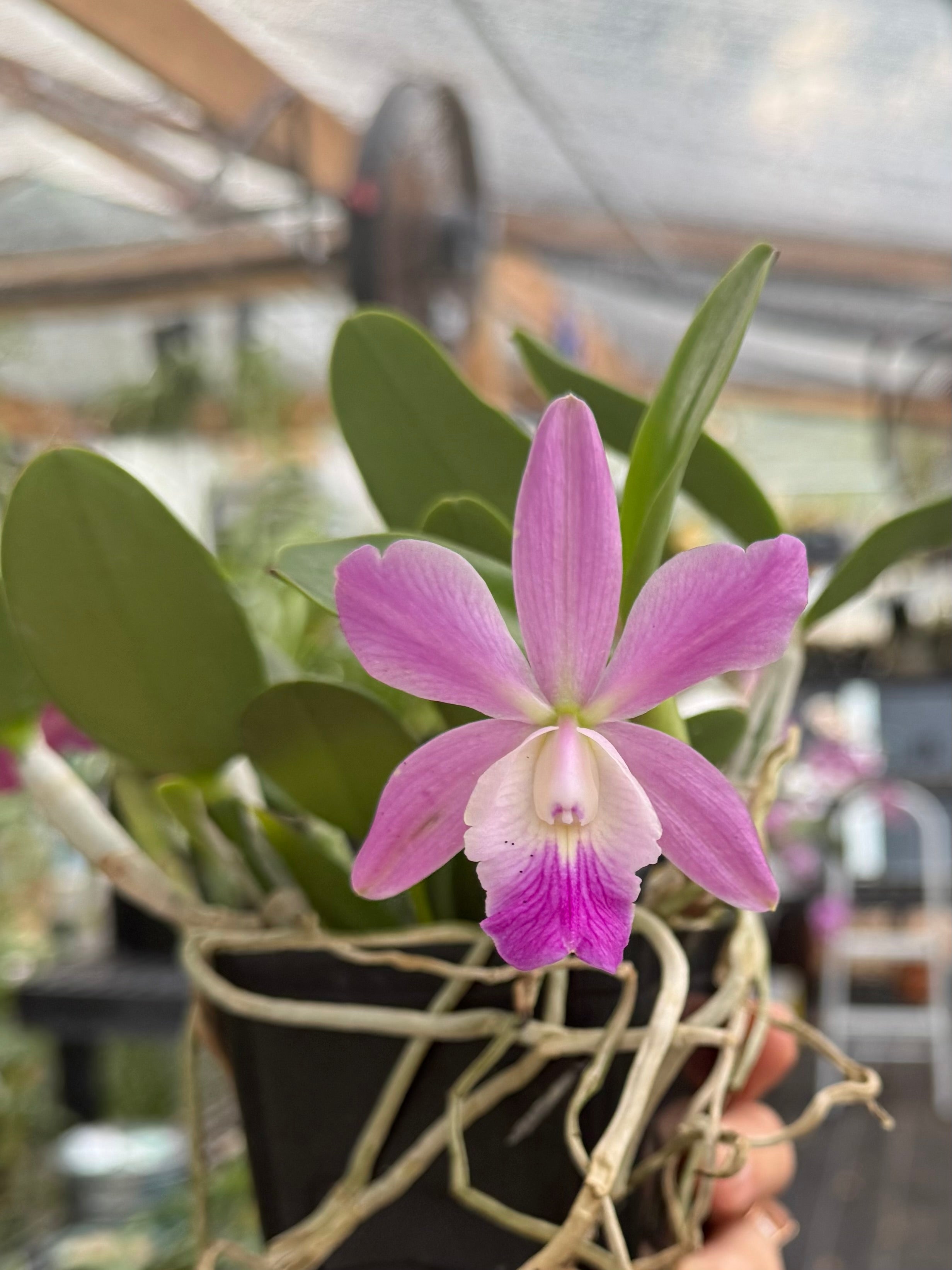
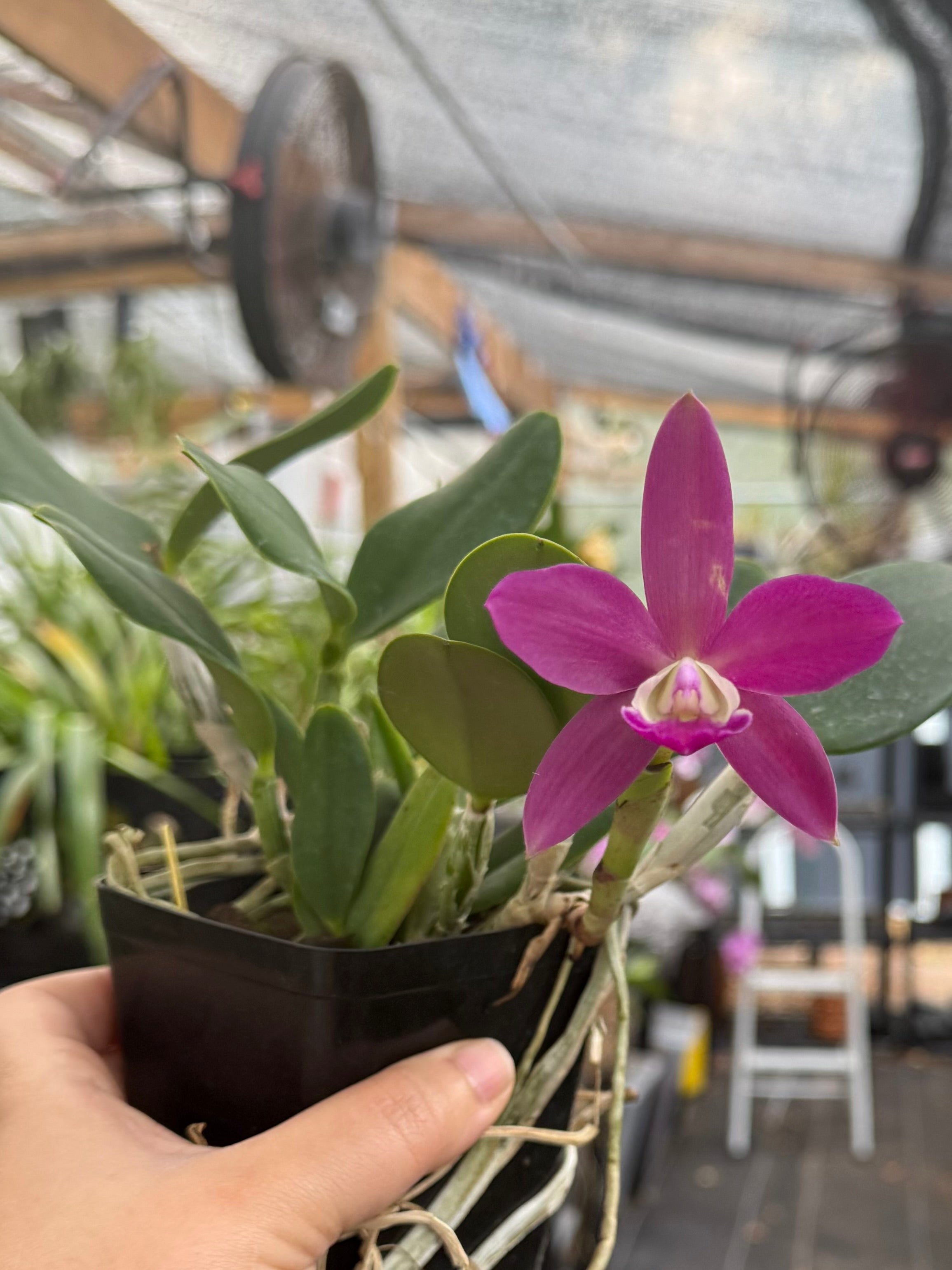
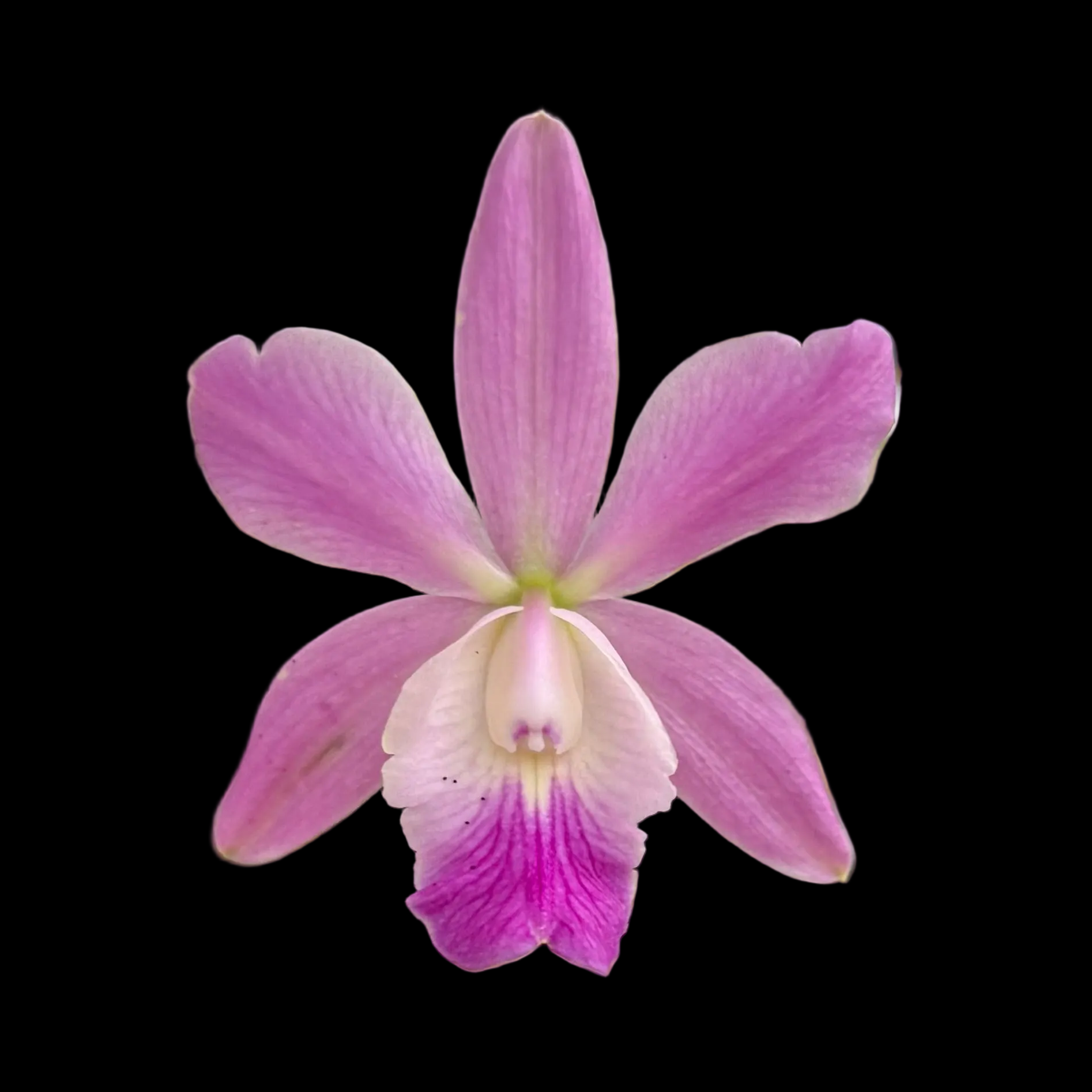
Cattleya QF Lopaka (C. aclandiae x C. QF Hazel Kealoha)- Fragrant
- Regular price
-
$45.00 USD - Regular price
-
- Sale price
-
$45.00 USD
-
Hurry, only 3 items left in stock!
Couldn't load pickup availability
Plant Care Tips
Sunlight Bright, filtered light (2,000–3,000 fc). Some direct morning sun is beneficial. Leaves should be medium olive green.
Temperature Intermediate to warm: 55–85°F (13–30°C). Appreciates a 10–15°F day/night temperature drop to initiate blooming.
Water Thoroughly when potting mix is nearly dry (every 5–7 days). Allow good air circulation.
Nutrition Feed weakly, weekly during growth. 1/4 to 1/2 tsp/ gallon.
Shipping Info
How much does shipping cost?
Shipping is free for orders over $150 within the US.
Otherwise, our system calculates shipping based on quanitity and size of plants in your cart.
How long does shipping take?
We ship orders every Monday and Tuesday. Standard ground shipping arrive anywhere between in 1-5 business days. We offer expedited shipping services as well.
For details visit our Shipping and Return Policy.

Product Details
All three species come from seasonally dry Brazilian forests, so give bright light and a distinct dry rest between waterings; they resent constant moisture.
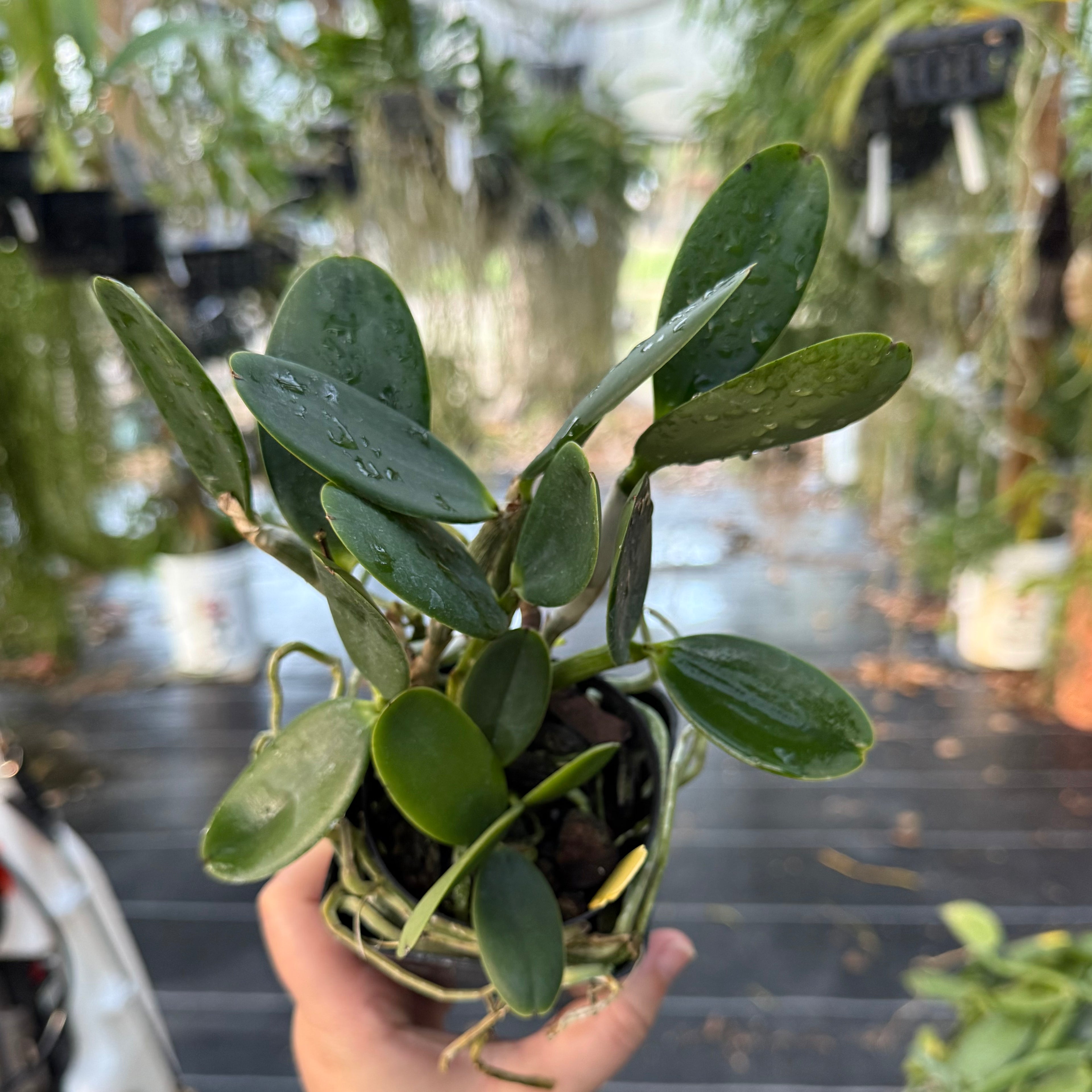
Blooming size — photos are representative of the plant size and maturity available. A seedling cross, so no two blooms are quite the same.
Featured Cattleya Orchids
-
 Fertilizer: 15-5-15 CalMag SpecialFertilizer: 15-5-15 CalMag Special
- Regular price
-
$10.00 USD $15.00 USD - Regular price
-
- Sale price
-
$10.00 USD $15.00 USD
Quick view
-
Fertilizer: High Phosphorous 0-52-34 (Monopotassium Phosphate)Fertilizer: High Phosphorous 0-52-34 (Monopotassium Phosphate)
- Regular price
-
$12.00 USD $18.00 USD - Regular price
-
- Sale price
-
$12.00 USD $18.00 USD
Quick view
-
 Brassavola Hybrid- (Blc. Tetradip x Bl. Morning Glory) x Brassavola appendiculataBrassavola Hybrid- (Blc. Tetradip x Bl. Morning Glory) x Brassavola appendiculata
- Regular price
-
$45.00 USD - Regular price
-
- Sale price
-
$45.00 USD
Quick view
-
 Cattleya QF Lopaka (C. aclandiae x C. QF Hazel Kealoha)- FragrantCattleya QF Lopaka (C. aclandiae x C. QF Hazel Kealoha)- Fragrant
- Regular price
-
$45.00 USD - Regular price
-
- Sale price
-
$45.00 USD
Quick view


